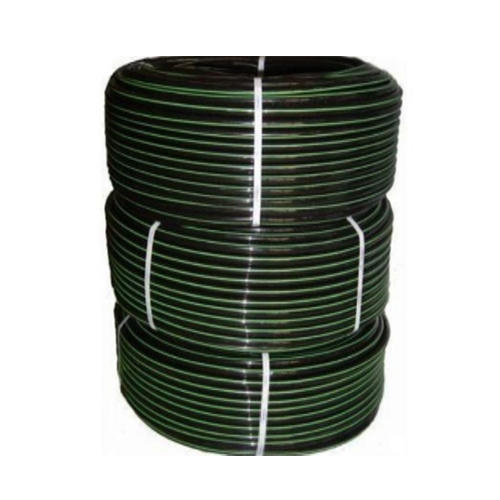
About HDPE Pipes
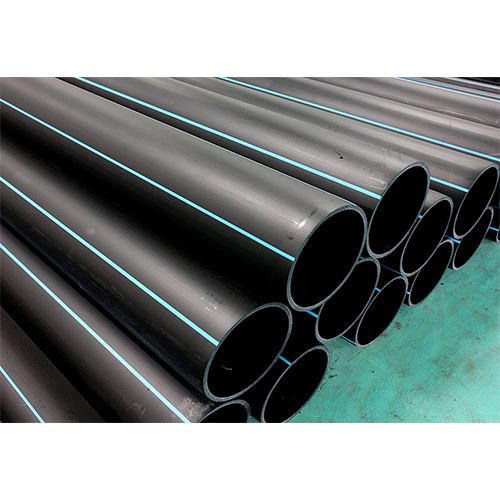
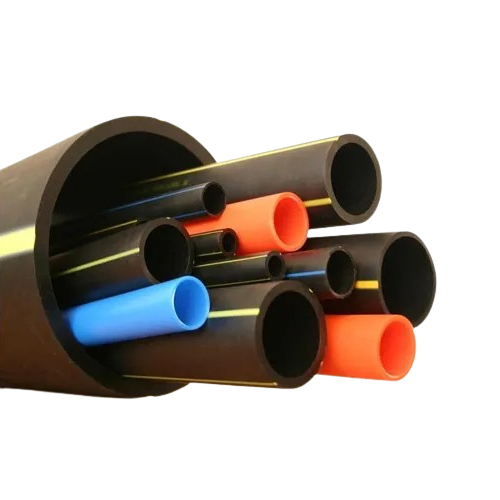
HDPE (High-Density Polyethylene) Pipe is a flexible, durable, and corrosion-resistant piping system widely used for water supply, sewage, drainage, gas distribution, and industrial applications. Manufactured from high-quality polyethylene resin, HDPE pipes offer excellent strength, long service life, and resistance to chemicals, abrasion, and environmental stress cracking.
HDPE pipes are lightweight, easy to transport and install, and can be joined by heat fusion methods (butt fusion, electrofusion), creating leak-free and fully welded joints. They perform reliably under high pressure and varying temperatures, making them suitable for both underground and above-ground installations. Due to their smooth internal surface, HDPE pipes ensure low friction losses and high flow efficiency.
HDPE pipes are environmentally friendly, non-toxic, and resistant to UV radiation and microbial growth, with an expected service life of 50 years or more under normal operating conditions.
If you want, I can:
-
Shorten this for a catalog or datasheet
-
Make it more technical (ISO / ASTM style)
-
Adapt it for water, gas, or sewer applications
Exceptional Durability and VersatilityOur HDPE pipes are crafted to deliver robust performance across climates and applications, from frigid cold to intense heat. Thanks to their high impact strength and tensile strength above 20 MPa, these pipes are well-suited for challenging environments in water supply, irrigation, sewage, and gas systems. Their lightweight, flexible build permits easier transportation and installation, saving both time and costs.
Reliable Leak-Proof Jointing SystemsWith advanced jointing options including heat fusion, mechanical couplers, butt fusion, electrofusion, and compression fittings, installation is leak-proof and long-lasting. The smooth inner and outer walls not only facilitate efficient flow but also prevent sediment build-up, ensuring consistent system performance throughout the pipe's extensive lifespan.
Certified Quality and ComplianceOur HDPE pipes conform to rigorous standards - IS 4984:2016 and ISO 4427 - guaranteeing consistent quality and safety. Their non-toxic, food-grade makeup makes them suitable for potable water applications, while superior chemical and UV resistance ensures maintenance-free operation even in harsh industrial environments. This adherence to global standards makes them a preferred choice for infrastructure projects nationwide.
FAQ's of HDPE Pipes:
Q: How are HDPE pipes installed, and what jointing processes are available?
A: HDPE pipes are typically installed using heat fusion techniques such as butt fusion and electrofusion, or with mechanical couplers and compression fittings. These methods create strong, leak-proof joints for long-term reliability. The pipes can be supplied in either coils or straight lengths for versatile installation options.
Q: What makes HDPE pipes suitable for both water supply and industrial applications?
A: HDPE pipes combine high tensile and impact strength, excellent chemical resistance, and a smooth inner surface for low friction losses. Their non-toxic, food-grade quality makes them ideal for potable water, while resistance to corrosion and harsh chemicals ensures performance in demanding industrial settings.
Q: When should you choose HDPE pipes over other materials?
A: HDPE pipes are the preferred choice when leak-proof, corrosion-resistant, and long-lasting piping is required-especially in environments exposed to chemicals, variable temperatures, and external loads. Their flexibility and UV resistance make them advantageous for outdoor, underground, and remote applications.
Q: Where can HDPE pipes be used effectively?
A: These pipes are versatile and suitable for water supply, irrigation, sewage networks, gas distribution, and a range of industrial processes. Their durability and range of available diameters and thicknesses make them adaptable to residential, agricultural, municipal, and industrial installations.
Q: What benefits do HDPE pipes offer for long-term usage?
A: Designed for a service life of up to 50 years, HDPE pipes require minimal maintenance, resist corrosion and UV radiation, and provide reliable leak-proof performance. Their light weight reduces installation effort, while the smooth bore supports efficient fluid flow and minimizes energy costs.
Q: How does the chemical resistance of HDPE pipes enhance their longevity?
A: HDPE pipes are highly resistant to most chemicals, preventing internal degradation and pipe failure even when transporting aggressive fluids. This attribute significantly extends service life and reduces the risk of leaks or contamination in critical applications like industrial and wastewater systems.




 English
 Spanish
 French
 German
 Italian
 Chinese (Simplified)
 Japanese
 Korean
 Arabic
 Portuguese
 Send Inquiry
 Send Inquiry